

Defense customers do not ask us to “3D print a drone.” They ask what the vehicle is: envelope, interfaces, as-built aero surfaces, and geometry that supports mass properties and analysis. That is reverse engineering in the sense we already practice on aerospace hardware — now applied to UAV and UAS platforms.
We are expanding this line of work. The quality bar does not change: documented alignment, AS9100D-minded records, and CMM correlation on features that have to be defensible.
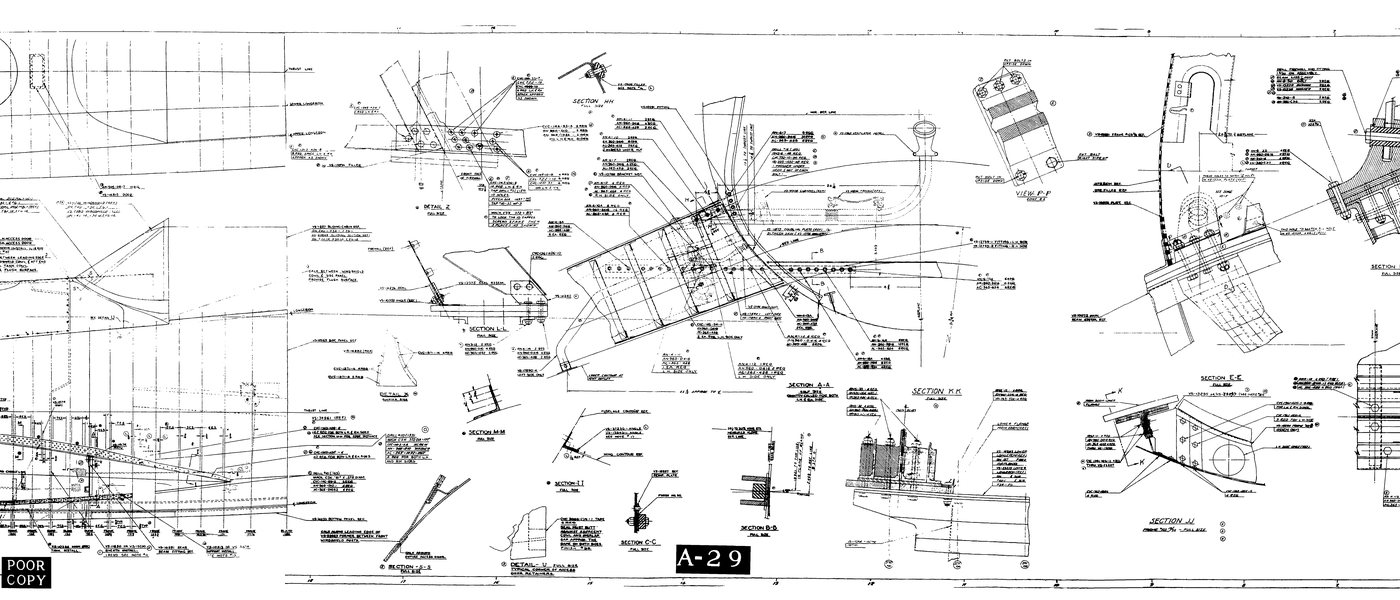
What “physical properties” means here
From a controlled scan and a CAD model you can extract more than a picture:
- Outer mold line and control-surface geometry
- Hard points, payload bays, and connector keep-out
- Volume and derived mass-properties inputs (with material assumptions you own)
- As-built vs nominal when a drawing or a prior model exists
We do not claim classified exploitation or flight-test authority. We claim measurement and CAD of hardware, with the same discipline we use on engine and airframe programs. If the work cannot be discussed in an unclassified brief, say so — we will tell you whether we can engage.
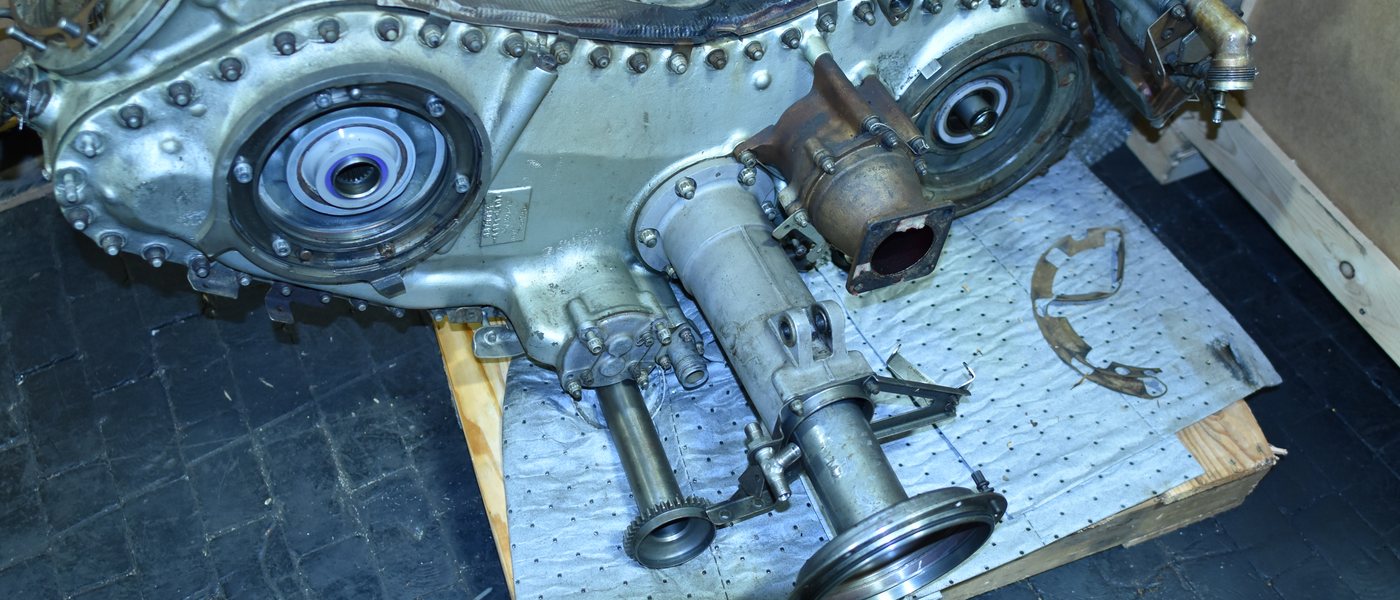
How this sits next to the rest of the lab
Photogrammetry and drone CAD for builders are the open side of the same capability. Defense reverse engineering is the documented, as-built side. Both route through metrology and reverse engineering. For a defense-adjacent UAV brief, contact the lab with what you can share.
— Bolton Works